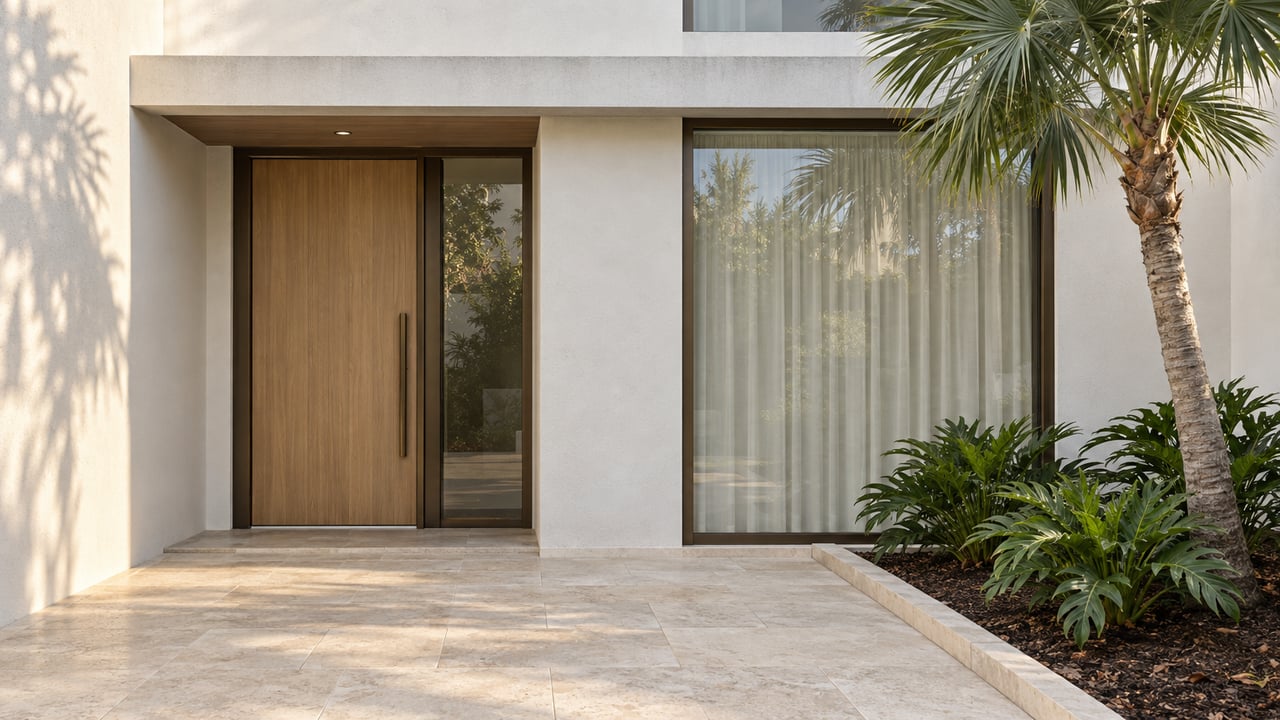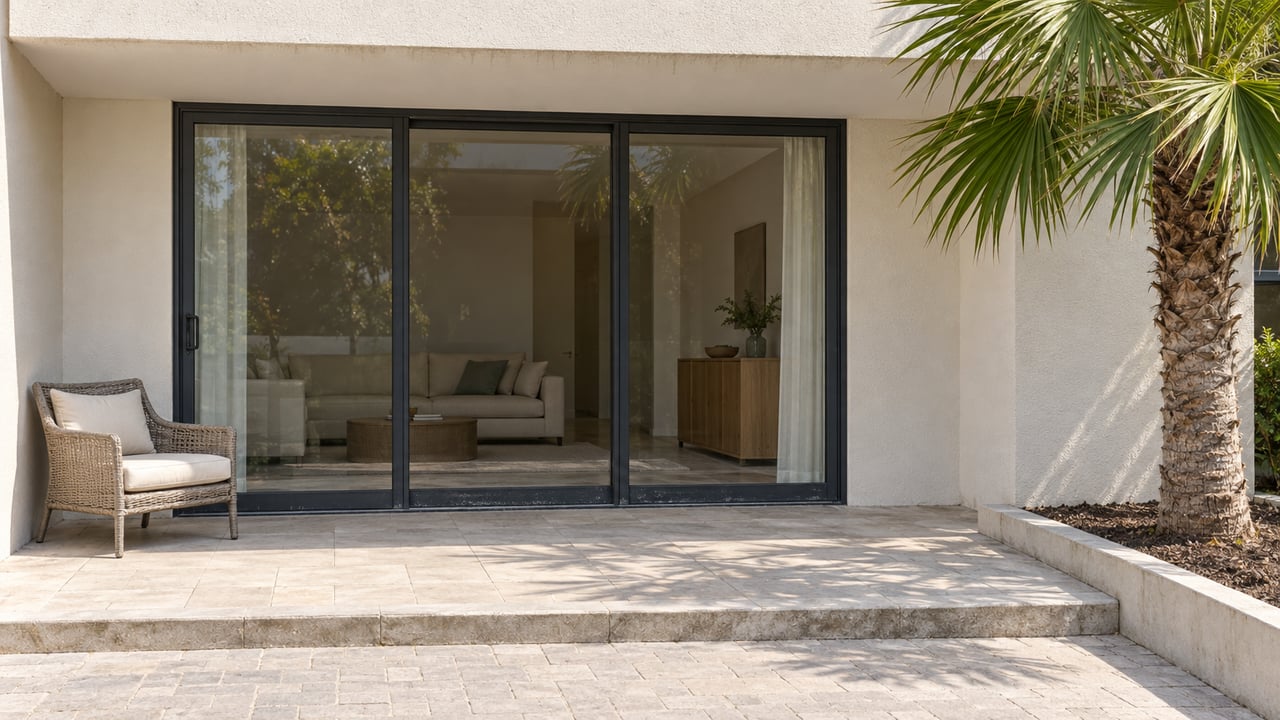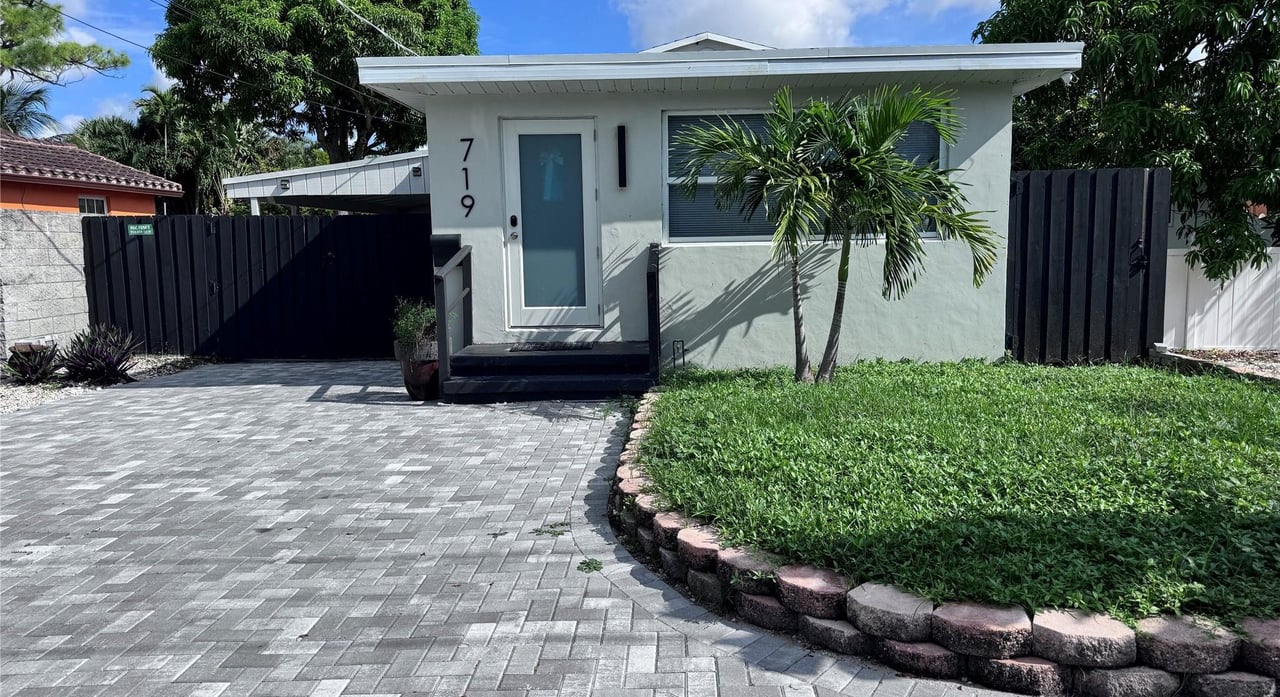
If you are thinking about buying a home in Oakland Park as a rental, one average rent number will not tell you enough. This city has a mix of single-family homes, condos, loft-style units, and multifamily housing, which means rental potential can vary a lot from one property to the next. The good news is that public data gives you a strong starting point for smarter decisions. Let’s dive in.
Why Oakland Park Stands Out
Oakland Park looks like a meaningful rental market within Broward County, not just a spillover area. Census QuickFacts shows 58.3% of housing units are owner-occupied, which implies a renter share of about 41.7%. That is more renter-heavy than Broward County overall, where owner occupancy is 63.6%.
Rent levels also suggest steady demand. Census data shows a median gross rent of $1,804 for 2020 through 2024 in Oakland Park. That is below Broward County’s $1,907, but above Florida’s $1,669, which places Oakland Park in a mid-priced rental position.
Current asking rents tell a slightly different story, but they are still useful. As of May 15, 2026, Zillow reported an average asking rent of $2,100 and 319 available rentals in Oakland Park. That helps you understand current pricing, but it should not be treated as the same thing as occupied rent data from the Census.
Start With Product Type
One of the biggest mistakes investors make is assuming all Oakland Park rentals behave the same way. They do not. The city’s public planning and neighborhood documents point to a housing stock that includes detached homes, townhomes, condos, loft-style residences, and other multifamily options.
That matters because renters shop by lifestyle and budget, not just by city name. A single-family home with outdoor space may attract very different demand than a condo near downtown. If you are evaluating rental potential, your first step should be to compare the property only against similar product types.
Why averages can mislead
Citywide rent averages are helpful for context, but they are not enough for underwriting. A home farther from the downtown core may compete on space, parking, or layout. A condo or loft-style unit may compete more on convenience, lower maintenance, or proximity to shops and dining.
In other words, the right question is not, “What does Oakland Park rent for?” The better question is, “What does this kind of property rent for in this part of Oakland Park?”
Look Closely at Downtown Demand
Oakland Park’s redevelopment story is a real part of its rental outlook. The city’s Community Redevelopment Area covers 1,009 acres and prioritizes stronger connections to downtown, more green space, attainable housing options, and redevelopment that adds residential and commercial activity.
The city also says downtown projects will bring new residential options, shops, restaurants, green spaces, and public parking. That can make homes near the core more attractive to renters who value access and convenience. It can also mean more competition as new supply enters the market.
Walkability and mixed-use appeal
The downtown planning framework describes the area as mixed-use, walkable, and transit-oriented. For rental analysis, that is important. Properties near this area may appeal to renters looking for a more connected daily routine, while homes in more auto-dependent areas may need to compete on different strengths.
Oakland Park also points to growth in restaurants, bars, fitness centers, and distilleries, and the Main Street Downtown Culinary Arts District supports an arts-and-dining identity. Those amenities do not guarantee performance, but they can support renter interest in the surrounding area.
Factor In Lifestyle Drivers
Rental demand is not only about rent. It is also about how a property fits everyday life. Oakland Park offers parks, dog parks, library access, and a city identity tied to green space and community amenities.
The city also notes that it is a certified National Wildlife Community and Tree City, U.S.A. For many renters, details like parks, outdoor access, and neighborhood feel can influence leasing decisions. These factors are especially useful when you are comparing similar homes and trying to understand what may help one lease faster than another.
Understand the Likely Renter Base
Public data suggests Oakland Park serves a broad, diverse renter pool. Census QuickFacts reports that 35.1% of residents are foreign-born and 44.2% speak a language other than English at home. That can support the value of clear communication and multilingual leasing support.
The same source shows a median household income of $72,708, a mean travel time to work of 25.5 minutes, 97.5% of households with a computer, and 94.1% with broadband. Taken together, these numbers point to a digitally reachable renter base that may care about commute convenience and online access to listings, tours, and communication.
For landlords and investors, this reinforces a practical point. Presentation and responsiveness matter. Clean marketing, strong photos, and efficient follow-up can make a difference in a market where renters are comparing options quickly.
Watch Supply and Vacancy Risk
There is no precise citywide vacancy rate cited in the public sources provided, so it is better to stay cautious than overconfident. The 319 active rentals reported by Zillow are best treated as a directional sign of supply, not a definitive vacancy measure.
The downtown redevelopment pipeline adds another layer. Since new residential options are still being introduced, lease-up risk can vary by submarket and by housing type. A home in one part of Oakland Park may face very different competition than a condo in or near the downtown core.
What this means for underwriting
When supply is uneven, broad assumptions become riskier. Instead of relying on one market-wide rent estimate, review:
- Comparable rentals for the same property type
- Current active competition nearby
- How the location relates to downtown amenities or commuter patterns
- Whether the property offers features that stand out within its category
This kind of property-specific review is often where good rental decisions are made.
Check HOA and Condo Rules Early
In Oakland Park, this step is essential. The city notes that many neighborhoods have homeowner or condominium associations. If you are buying a condo, townhome, or association-governed property, rental rules can directly affect your income plan.
Before you project cash flow, verify:
- Whether leasing is allowed
- Any waiting periods before renting
- Minimum lease terms
- Tenant approval requirements
- Ongoing dues, reserves, and possible assessment exposure
A property can look strong on paper and still be a poor rental fit if association rules are restrictive.
Know the Florida Deposit Rules
If you plan to become a landlord, basic compliance matters. Under Florida Statute 83.49, if you do not intend to impose a claim on a tenant’s security deposit, you must return it within 15 days after the tenancy ends.
If you do intend to make a claim, you must send written notice within 30 days, and the tenant then has 15 days to object. These timelines are important because they affect how you handle move-outs and protect your process from day one.
A Smarter Way to Evaluate Rental Potential
If you want to evaluate an Oakland Park home carefully, use a layered approach. Start with citywide data for context, then narrow down to the exact property and its competition.
A practical framework looks like this:
- Confirm the product type
Compare single-family homes to single-family homes, and condos to similar condos or loft-style units. - Review the location inside Oakland Park
Separate downtown-adjacent properties from more residential, auto-oriented pockets. - Use rent data correctly
Treat Census gross rent as historical occupied-rent context and asking-rent data as a current pricing snapshot. - Study active competition
See what renters can choose from right now, not just what leased in the past. - Verify association rules
Confirm that the property can legally and practically operate the way you intend. - Account for supply changes
New downtown residential options may affect pricing power and lease-up timing in certain areas. - Plan for management realities
Marketing, tenant placement, communication, and lease handling all influence actual performance.
The Bottom Line on Oakland Park Rentals
Oakland Park has several traits that make it worth a serious look for rental buyers. It has a meaningful renter base, mid-range rent positioning within Broward, a mixed housing inventory, and a downtown area that is still evolving through redevelopment.
At the same time, this is not a market where one number tells the full story. Property type, micro-location, active competition, and HOA rules all matter. If you approach the city with a product-specific lens, you can make far more confident decisions about rental potential.
If you want help evaluating an Oakland Park home for rental income, leasing strategy, or tenant placement, Michael Gomez can help you look at the numbers and the on-the-ground details with a clear, investor-friendly approach.
FAQs
What is the average rent in Oakland Park, FL?
- As of May 15, 2026, Zillow reported an average asking rent of $2,100 in Oakland Park, while Census QuickFacts reported a median gross rent of $1,804 for 2020 through 2024. These figures measure different things, so they should not be used interchangeably.
Is Oakland Park a good area for rental property?
- Public data suggests Oakland Park is a renter-relevant Broward submarket with about 41.7% renter occupancy, a mix of housing types, and downtown redevelopment that may support demand in certain areas.
Why do Oakland Park rental estimates vary by property?
- Oakland Park includes single-family homes, townhomes, condos, loft-style units, and multifamily housing. Because renters compare similar property types, citywide averages may not reflect what one specific home can earn.
Do HOA rules matter for Oakland Park rental homes?
- Yes. The city notes that many neighborhoods have homeowner or condominium associations, so you should confirm leasing rules, approval requirements, minimum lease terms, dues, reserves, and assessment risk before buying.
Are homes near downtown Oakland Park different as rentals?
- They can be. The city’s planning framework describes downtown as mixed-use, walkable, and transit-oriented, and redevelopment plans include added residential options, shops, restaurants, green spaces, and parking.
What Florida security deposit rules apply to Oakland Park landlords?
- Under Florida Statute 83.49, landlords must return a security deposit within 15 days if no claim is made, or send written notice within 30 days if a claim is intended. The tenant then has 15 days to object.